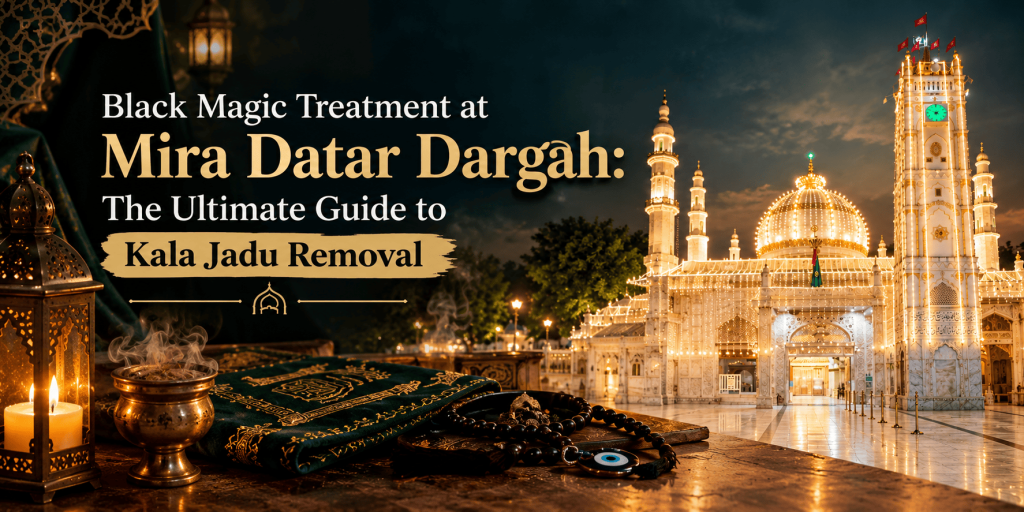
Black Magic Treatment at Mira Datar Dargah: The Ultimate Guide to Kala Jadu Removal
The Hazrat Saiyed Ali Mira Datar Dargah in Unava (near Unjha), Gujarat, stands as one of the most revered, historically rich, and spiritually significant Sufi shrines in Western India. Drawing millions of devotees annually from all walks of life, faiths, and socioeconomic backgrounds, this sacred sanctuary is globally recognized as a profound center for deep spiritual healing, inner peace, and psychological solace. Whether you are traveling for religious devotion, seeking spiritual remedies (Roohani Ilaj), or exploring the rich cultural heritage of Northern Gujarat, this ultimate visitor’s guide provides everything you need to know before your journey. 1. History and Significance of Hazrat Saiyed Ali Mira Datar Born in the 15th century (879 Hijri), Hazrat Saiyed Ali belonged to a noble lineage tracing directly back to the Prophet Muhammad (PBUH) through his grandson, Imam Hussain. During the Gujarat Sultanate, he was celebrated as a courageous warrior-saint. He earned his legendary honorific titles from a Hindu poet named Shah Surath: “Mira”, meaning The Brave One, honouring his fearless stance against tyranny and oppression. “Datar”, meaning The Giver or Bestower, reflecting his immense generosity toward all of humanity. Following his martyrdom on the 29th of Muharram during the historic battle of Mandavgad, his final resting place became a renowned sanctuary of ultimate relief. Over the centuries, this simple burial site transformed into a stunning, fortified white marble sanctuary. Today, it features exquisite silver-embellished doors, including the famous Jannati Darwaza (Door of Paradise). A Beacon of Inter-Faith Unity: A defining feature of the Mira Datar Dargah is its universal, inclusive appeal. It completely transcends rigid religious boundaries, welcoming Hindus, Muslims, Sikhs, and Christians alike who line up side-by-side to seek blessings and solace. 2. The Legacy of Spiritual Healing (Roohani Ilaj) The shrine is globally famous for its unique association with Roohani Ilaj (spiritual treatment). For centuries, people who have exhausted medical and psychological options travel here seeking relief from deep-seated personal issues, family crises, financial blockages, and complex physical or mental ailments. Key Spiritual Rituals at the Shrine The Loban Ceremony: Performed daily immediately following the evening Maghrib prayers, fragrant incense (loban) is burned throughout the premises, filling the air with a highly spiritual, purifying, and calming atmosphere. Chadar and Flower Offerings: Devotees traditionally present a Chadar (a sacred, decorative cloth), fresh roses, and aromatic rosewater at the main mazar (tomb). Tying of the Kalava: A sacred red thread (kalava) is tied by the hereditary Khadims (custodians) within the shrine as a physical token of a prayer or vow (mannat) made for healing. Faith Meets Science: The Dava-Dua Program Recognizing the complex nature of human suffering, the Dargah administration implements a highly progressive “Dava-Dua” (Medicine and Prayer) system. Under this system, trained custodians work hand-in-hand with an on-site, professional psychiatric Out-Patient Department (OPD). This helps visitors combine their spiritual faith with modern clinical mental health care when psychological conditions are identified. 3. Location, Timings, and Best Time to Visit The Dargah is situated in Unava village, located approximately 5 kilometers from the commercial spice-trading town of Unjha in the Mehsana district of North Gujarat. Essential Visitor Information Table Attribute Details Exact Address State Highway 41, Unava, near Unjha, Mehsana District, Gujarat – 384160 Daily Timings 24 Hours (Open all 7 days of the week) Ideal Months to Visit 365 Days Major Festival The annual Urs Mubarak (commemorated on the 29th of Muharram), featuring massive prayer gatherings, soul-stirring qawwalis, and ritual flag hoistings. 4. How to Reach the Dargah Unava is highly accessible due to its prime location right along the Mehsana-Palanpur Highway (SH41). By Air: The nearest international airport is Sardar Vallabhbhai Patel International Airport (AMD) in Ahmedabad, located roughly 90 to 100 kilometers away. From the airport, you can easily hire a direct taxi or take a state transport (GSRTC) bus directly to Unava. By Train: The closest local railhead is Unjha Railway Station, situated just 5 kilometers from the Dargah. For broader connectivity across India, Mehsana Junction (approx. 25 km away) serves as a major railway transit point. Local auto-rickshaws and taxis ply frequently between these stations and the shrine. By Road: Unava boasts smooth connectivity via major Gujarat state highways. It lies about 90 km north of Ahmedabad and 40 km south of Palanpur (ideal for travelers driving down from Rajasthan). 5. Important Rules, Etiquette, and Code of Conduct To ensure a respectful, safe, and smooth experience inside the sacred precinct, please keep these mandatory guidelines in mind: Dress Modestly (Before Entering): Both men and women must wear modest clothing that fully covers their shoulders and knees. Loose, traditional Indian attire (like Salwar Kameez or Kurta Pajamas) is highly recommended. Cover Your Head (At the Entrance): It is mandatory to keep your head covered inside the entire complex. Men can use handkerchiefs or skullcaps, while women traditionally use scarves or a dupatta. Remove Footwear (Before Stepping Inside): Shoes, sandals, and socks are strictly prohibited inside the main courtyard. Safe, designated shoe-keeping stalls are available right outside the main entry gates. Respect Privacy & Maintain Silence (Inside the Courtyard): Many devotees around you may be deep in intense prayer, meditation, or emotional trance states (hajri). Avoid loud talking, and strictly refrain from taking photos or filming individuals without explicit permission from the administration. 6. On-Site Amenities and Accommodation Options The Dargah management and local charitable trusts ensure that travelers—especially those traveling long distances or intending to stay for extended healing periods (typically 7 to 40 days)—are well looked after. Langar (Free Community Kitchen): Daily nutritious, freshly cooked community meals are served to all visitors free of charge, completely disregarding caste, creed, or socioeconomic background. Accommodation & Stay: Multiple community-run guest houses, Musafirkhanas, and private budget-friendly hotels are situated in the immediate vicinity of the Dargah, offering affordable stay arrangements for families. Local Assistance: Traditional, hereditary Khadims (who can be reached through authorized offices inside the complex) are available to guide families through specific prayers, handle administrative needs, or facilitate the medical-psychiatric integration services. Final Thoughts: Navigating Your Journey to Mira
Black Magic Treatment at Mira Datar Dargah: The Ultimate Guide to Kala Jadu Removal Read More »